Breakdown, Delay, or Fender Bender: A 48-Hour Playbook for US Crews in Sharjah
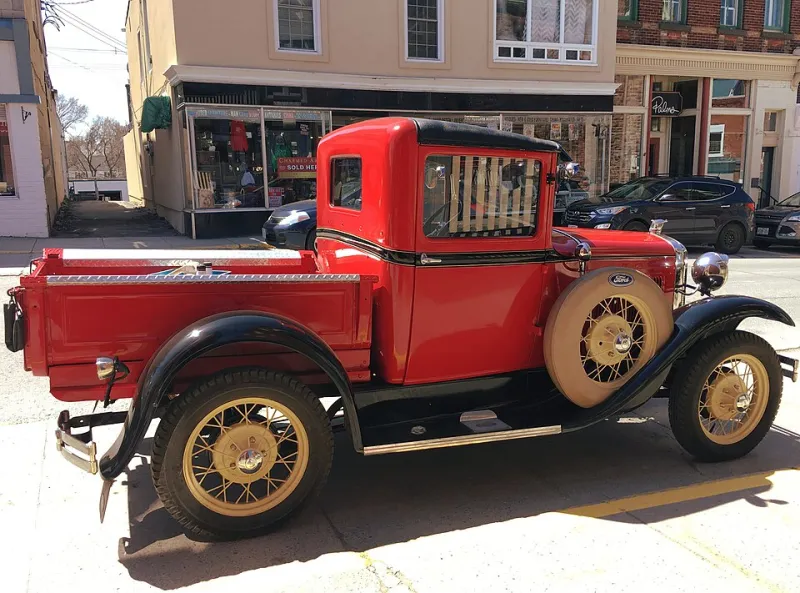
Photo: Ross Dunn: Thanks -10million views!, CC BY-SA 2.0, via Wikimedia Commons
The pickup was supposed to be the simple part of the day. Then the key turns, nothing happens, and the delivery schedule starts to tilt. Or the truck shows up two hours late. Or a minor scrape happens in a parking area and everyone stands around wondering what to do first. These moments are not unusual in vehicle rental. They are unusual only when no one has a plan.
This playbook is for US teams running a project or relocation in Sharjah in 2026. It is not legal advice, and it is not a substitute for the rental agreement or local authorities. It is an operational checklist for the first 48 hours, when clear decisions matter more than perfect ones.
First 15 Minutes: Safety and Scene Control
If there is a collision, start with people. Check for injuries and call emergency services if anyone is hurt. Move vehicles out of traffic only if it is safe and the local situation allows it. Turn on hazard lights. Do not leave the scene before the required reporting steps are clear. If the truck will not start, get it out of a live lane if possible, set out warnings, and keep the crew away from traffic.
For a minor incident, resist the urge to handle it casually. In the UAE, official reporting can matter for insurance and the rental company's process. Call the rental company's support line and follow their instructions before agreeing to any private arrangement. If police or authorities attend, collect the report details and keep them with the rental paperwork.
Who to Call First
Call the rental company first. They need to know about the vehicle condition, location, and timing before repair or recovery decisions are made. Use the 24-hour support number from the rental agreement, not a random contact. If there is an injury or traffic hazard, emergency services come first. After the rental company, notify your project dispatch lead so someone can start rerouting loads.
Write down the case number, the name of the person you spoke with, and the time of the call. That sounds small. It becomes very useful when three people are asking for updates later.
Capture the Evidence Packet
Before the truck moves, take more photos than feel necessary. Capture wide shots that show the location, close-ups of the damage or dashboard warning, the license plate, the odometer, the fuel gauge, and the rental agreement. If another vehicle is involved, photograph its plate and position. If there is a police report, photograph every page. If there are witnesses, note names and phone numbers.
Keep the photos in one shared folder with a timestamp. Do not rely on a single phone. Send the key images to the rental company and your project lead in the same message so everyone is working from the same information.
If the Truck Will Not Start
Do not start experimenting with jump leads or repairs unless the rental company explicitly authorizes it. Check the obvious items: fuel level, key fob placement, gear position, and any immobilizer message. Then call support. Ask whether they are sending a technician, a recovery vehicle, or a replacement pickup. Get an estimated arrival window and a contact name.
If the crew is waiting on a load, do not let the vehicle issue freeze the whole day. Split the work. Send one person to handle the rental case and another to manage the delivery schedule. The truck problem is real, but the customer on the other end still needs an update.
Requesting a Replacement Vehicle
When you ask for a replacement, be specific. State the vehicle class needed, the cargo size, the delivery location, and the time window. Ask whether the replacement will be the same class or a suitable substitute. Confirm whether the daily rate pauses during the downtime, how the deposit transfers, and whether delivery or collection fees apply.
Get the answer in writing. A WhatsApp message or email with the case number, replacement plate, and delivery time is enough. Verbal promises are easy to lose in a busy afternoon.
Keeping the Schedule Alive
Start with triage. Which delivery is truly time-critical and which one can slide? Can two smaller loads be combined? Is a smaller backup pickup enough for the next stop? Notify recipients early. A revised arrival window is easier to manage than a silent delay.
Document any extra costs as they happen. Parking, recovery, alternate transport, and staff overtime all belong in one simple log. Do not wait until the end of the project to reconstruct the damage. If the rental company needs approvals for a replacement or repair, respond quickly and keep the paper trail tidy.
Protecting the Deposit
Deposit protection is mostly about documentation and sequence. Report the issue before anyone repairs anything. Keep the rental company's instructions. Do not authorize a workshop to start work unless the rental company has confirmed the process. Save receipts for any costs you are asked to cover. When the replacement arrives, photograph its condition before signing. When the original truck is returned or recovered, get a condition note and the final mileage.
At the end of the rental, ask for a closing statement that shows the deposit disposition. If a deduction appears, ask which document supports it. Calm, specific questions with photos attached are more effective than a long complaint.
A 48-Hour Timeline
- 0 to 2 hours: secure the scene, call the rental company, notify dispatch, and start photos.
- 2 to 8 hours: confirm recovery or replacement, reroute urgent deliveries, and send written updates.
- 8 to 24 hours: collect the replacement, reconcile the load plan, and log extra costs.
- 24 to 48 hours: follow up on the case number, confirm deposit treatment, and file all documents in one folder.
The Takeaway
A breakdown or minor incident does not have to become a project crisis. It becomes one when the crew improvises in three directions at once. Call the rental company early, document everything, request the replacement in writing, and keep the delivery schedule moving. Fast Pickup Rental Sharjah sees fewer deposit disputes when renters treat the first hour as a documentation exercise, not a debate. The truck can be fixed or swapped. The schedule and the paperwork are the parts that need protecting.