Parking-Lot Reality Check: Picking the Right Pickup Size for Sharjah Jobs
Photo: Courtesy of NIAID Ryan Kissinger, Public domain, via Wikimedia Commons
American project leads love a big truck. It is practically a reflex. When a team lands in Sharjah with pallets to move, samples to drop off, or a crew to haul around, the instinct is to book the largest pickup available and sort out the details later. That instinct is understandable. It is also expensive more often than people expect.
This is not an argument against full-size pickups. They earn their keep on heavy loads, long highway runs, and jobs where payload and bed space are the whole point. This is an argument against defaulting to the biggest truck before anyone has measured the cargo, counted the stops, or looked at the unloading situation. In Sharjah, right-sizing is usually the faster, cheaper, and less stressful choice.
The Default-to-Biggest Habit
In the US, a full-size pickup can feel like the safe answer. It covers a lot of scenarios, it has presence, and it sends a certain signal about capability. But rental decisions are not about signals. They are about access, schedule, and cost. A truck that cannot fit into a tight loading bay is not more capable. It is just a larger problem to park.
Sharjah is a mixed driving environment. You can go from a wide highway to a cramped service lane, an older commercial block, or a residential compound with a narrow gate in a matter of minutes. A truck that feels normal on a US interstate can feel like a parade float in a crowded loading zone. That does not make the big truck bad. It makes it a poor default.
Where Big Trucks Lose Time
The biggest costs in a rental are not always on the invoice. They show up as wasted minutes. A larger pickup can turn a simple drop-off into a scouting mission. The driver has to find a legal spot, check clearance, back into a tight bay, and hope the gate is wide enough. On a multi-stop day, those minutes stack up fast.
Parking is the obvious issue, but it is not the only one. Larger trucks can be harder to maneuver in packed commercial areas, less welcome in residential compounds, and more likely to block a loading zone while the driver looks for another option. If the job involves several short stops, a smaller truck can finish the route while the big truck is still working out its second parking plan.
Match the Truck to the Cargo, Not the Ego
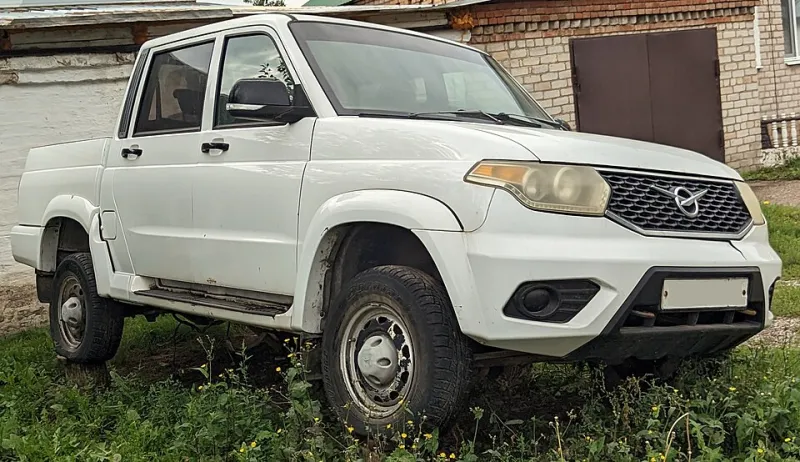
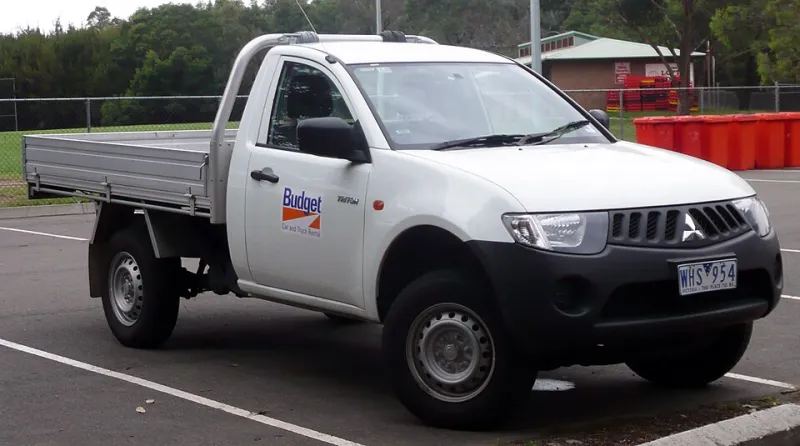
Most cargo scenarios fall into a few buckets. Event gear, samples, small furniture, and boxed supplies often fit a mid-size pickup with room to spare. Appliance and equipment runs need a closer look at weight, tie-down points, and bed length. Relocation loads are usually a volume problem, not a weight problem, and two smaller trips can beat one oversized truck if access is tight.
Crew transport adds another wrinkle. A double cab sounds useful until the bed is too short for the tools. A longer bed sounds useful until the truck cannot turn into the site. The right answer comes from the actual load list, not the rental counter's largest available vehicle.
Fuel, Deposit, and the Paperwork Ripple
Larger vehicles tend to cost more per day, burn more fuel, and carry higher deposit expectations. That is not a universal rule, but it is common enough to check before signing. A higher deposit ties up cash. A thirstier truck adds fuel stops. A larger footprint adds parking risk. None of those are deal-breakers on their own, but together they can turn a straightforward job into a budget conversation.
Insurance and damage terms matter too. Ask how the excess works, what the damage waiver covers, and whether the deposit changes by vehicle class. A truck that saves a few dollars on the daily rate but raises the deposit and excess can be the more expensive choice once the paperwork is totaled.
A Right-Sizing Checklist for 2026 Rentals
Before booking, run through the practical questions:
- Measure the longest and heaviest item, not just the average box.
- Count the stops and note whether each one has a dock, a gate, a curb, or a tight alley.
- Photograph the main unloading point and share it with the rental company.
- Ask for exact bed dimensions and payload, not just the model name.
- Check clearance and turning space at the tightest point on the route.
- Confirm whether the rental company offers delivery to the site if access is awkward.
- Match the cab size to the crew, but do not trade away bed length without noticing.
- Ask about the swap policy in case the chosen truck turns out to be the wrong size.
That last point is worth emphasizing. A good rental partner will help you correct a bad fit instead of pretending the truck is fine. At Fast Pickup Rental Sharjah, the useful conversation is usually about the route and the load, not about whatever is biggest on the lot.
When the Big Truck Is Actually Right
There are plenty of jobs where the largest pickup is the correct call. Heavy equipment, dense loads, long highway transfers, and situations where the bed needs to swallow oversized items all point toward more truck. The point is not to avoid big pickups. The point is to choose one because the job requires it, not because it was the first thing in the lineup.
A right-sized truck is not a compromise. It is a scheduling decision. It reduces parking friction, keeps the deposit and fuel bill in check, and makes the delivery route feel less like a negotiation with the city. On a Sharjah project, that is usually worth more than the satisfaction of driving the biggest vehicle in the lot.
The Bottom Line
Start with the cargo, the stops, and the access. Then pick the truck. If a mid-size pickup can handle the load, it will often save time and money. If the job genuinely needs a full-size truck, book one with confidence. The goal is not to super-size the rental. The goal is to finish the run without a parking saga and without paying for capability the job never uses.