Measure the Load, Then Pick the Truck: A Sharjah Spec Sheet for US Project Leads

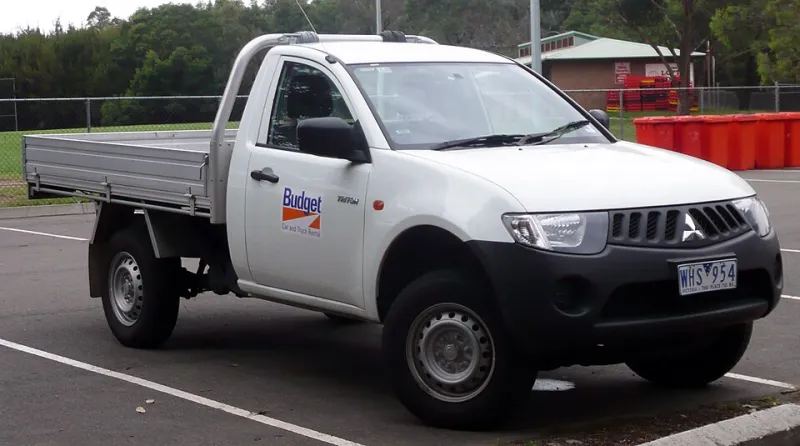
Photo: Horacio Cambeiro, CC BY-SA 3.0, via Wikimedia Commons
Pickup shopping in Sharjah can feel a lot like truck shopping back home: badges, trim levels, and photos of shiny beds grab attention first. But a US project lead does not need a beauty contest. You need a truck that will accept your pallets, AC units, event gear, or relocation boxes, then get them across town without a white-knuckle moment at a loading dock.
The useful move is a cargo-bed handshake. Before you ask what is available, measure and document the load. Then spec the truck around those numbers. That order matters because a pickup that looks right in a listing can be wrong in the bed.
Start With the Cargo, Not the Badge
A common mistake is choosing by vehicle class first: half-ton, three-quarter-ton, crew cab, double cab. Those labels are useful shorthand, but they do not tell you whether your cargo fits. A crew cab may be great for carrying people, yet its shorter bed can fall short when you are moving standard pallets. A long bed may solve the cargo problem, but it can make tight loading bays and parking structures more annoying than they need to be.
For a US project team, the practical approach is to treat the truck like a shipping container with wheels. The bed has usable length, width, height, and weight limits. Your cargo has the same dimensions, plus a center of gravity and a need for tie-down points. The job is to make those two sets of numbers agree before money changes hands.
The Four Numbers to Write Down
Bring a tape measure and a notebook, or use a phone note. Measure in both metric and imperial if your team is mixing US specs with local suppliers. You do not need perfect precision, but you do need honest numbers.
- Bed length. Measure from the bulkhead behind the cab to the inside of the tailgate. Note whether the tailgate is up or down. If you plan to carry long pipe or lumber with the tailgate down, measure that usable length too.
- Bed width. Measure between the wheel wells, not just the outer bed walls. This is the number that decides whether a pallet or a bulky AC unit actually drops in.
- Bed height and load height. Note the height of the bed floor from the ground. A low bed is easier for a two-person crew to load. A high bed may need a ramp or a lift, and that changes your equipment list.
- Payload. Ask for the rental vehicle's payload figure, not the manufacturer's best-case brochure number. Payload includes cargo, passengers, and anything else you add. If the number is vague, ask for it in writing.
Pallets, AC Units, Event Gear, and Relocation Boxes
Different cargo exposes different problems. A standard pallet may fit between the wheel wells, but can you get a forklift or pallet jack close enough? An AC unit may be within the weight limit, but its sharp edges and top-heavy shape can demand more tie-down points than a basic bed provides. Event gear often looks light until you add road cases, cable trunks, and a crew. Relocation boxes are not heavy individually, but they stack up fast and can block your rear view.
Make a simple load sheet for each job. List the longest item, the widest item, the heaviest single item, and the total estimated cargo weight. Add a photo of the actual cargo if you have one. That sheet is more useful to a rental counter than a vague request for a big pickup.
Tailgate Setup and Tie-Down Reality
Tailgates are not just a convenience feature. A tailgate that opens flat, supports a load, and has removable cables can make loading easier. If you are carrying items that overhang, confirm the tailgate can be secured safely and that the overhang is legal and visible. Do not assume every rental truck has the same tailgate hardware.
Tie-down points deserve the same attention. Count the anchor points in the bed. Look for rails, stake pockets, or D-rings. Ask whether straps and ratchet ties are included or available as an add-on. A truck with a long bed and no practical anchor points is not a cargo solution; it is a moving hazard.
For US crews used to pickup beds with plenty of aftermarket tie-down options, rental units can feel bare. Bring your own straps if the rental company permits it, and confirm the condition of the anchor points before you leave the lot. A quick tug on each anchor point takes seconds and tells you more than a shiny bed liner.
Questions for the Rental Counter
Ask these before you commit, and keep the answers with your booking record:
- What is the exact bed length and width between the wheel wells?
- What is the payload for this specific vehicle, including passengers?
- Is the tailgate rated for the load, and can it be left down safely with overhang?
- How many tie-down points are in the bed, and what type are they?
- Are straps, a cargo net, or a ramp available?
- Does the rental agreement restrict height, weight, or overhang?
- Can I see the truck before signing, or only at delivery?
If the counter cannot answer basic bed and payload questions, treat that as a warning sign. A good rental provider should know the fleet well enough to match a truck to a load.
Document the Handshake
Take photos of the empty bed, the tailgate, the anchor points, and the tire placard or payload label if it is visible. Note any existing damage. Then load your cargo and check the truck's stance. If the rear end squats badly or the tires look overloaded, stop. Redistribute the load or ask for a different vehicle. Do not solve a payload problem with optimism.
The cargo-bed handshake is not glamorous, but it prevents the two most expensive outcomes in Sharjah pickup hire: a truck that cannot legally or safely carry the job, and a deposit dispute caused by damage that a properly spec'd vehicle would have avoided. Measure first, ask direct questions, and let the load choose the badge.